Skip to content
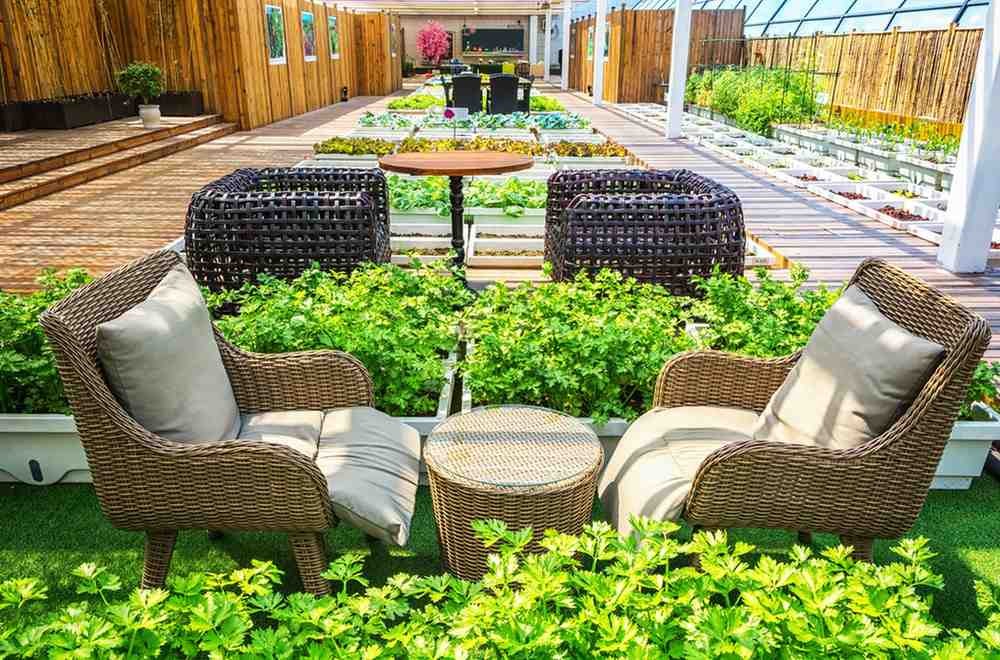
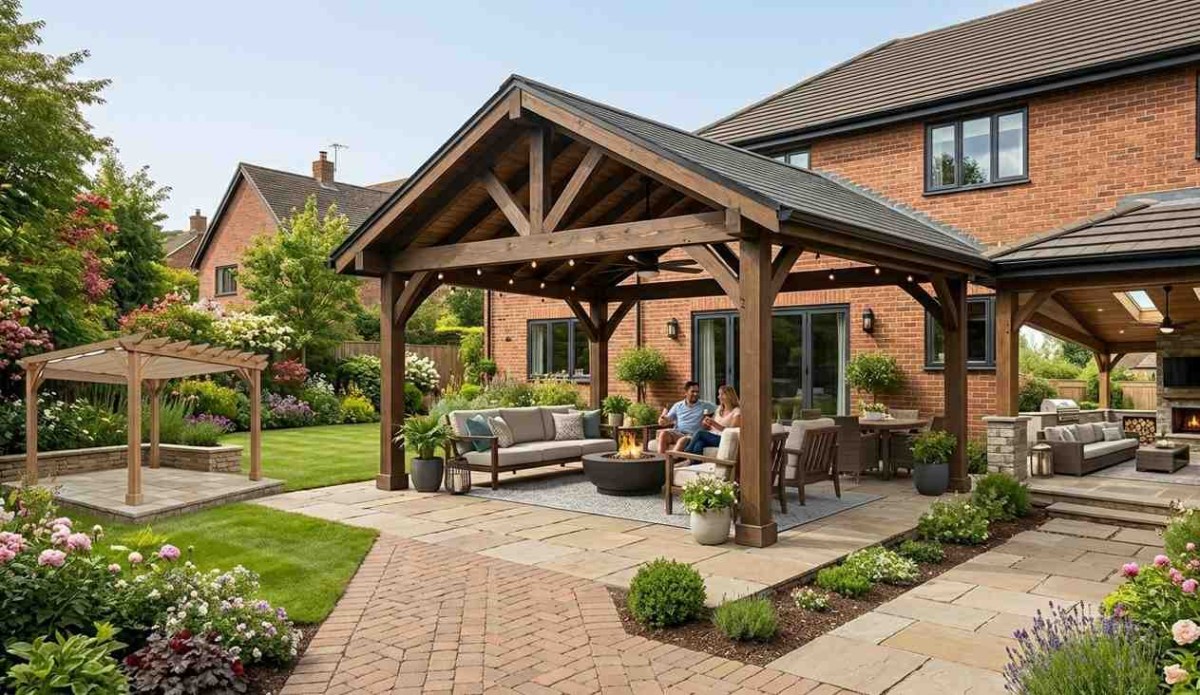
A covered patio can change your backyard fast. It adds shade, comfort, and style. It also provides an area for dining, entertaining, or relaxing. And it shields furniture from the weather.
Homeowners may wish to have a covered patio. They often ask about materials, costs, and layout ideas. Thankfully, planning becomes easier when you know the basics.
This guide explains everything clearly. You will learn smart material choices, common costs, and layout tips that work well.
Why Choose a Covered Patio?
A covered patio adds value to your backyard. It extends your living area outdoors. Also, it makes your yard usable year-round.
Here are key benefits:
- Adds shade during hot days
- Protects seating and grills
- Improves home appearance
- Increases resale appeal
- Creates space for family time
Therefore, a covered patio is both practical and stylish.
Best Materials for Patio Covers
Choosing the right material matters. Each option offers different benefits.
1. Wood
Wood gives a warm and natural look. It works well with classic homes. Cedar and redwood resist moisture better.
Pros:
- Beautiful natural finish
- Easy to customize
- Strong structure
Cons:
- Needs regular sealing
- Can warp overtime
Aluminum
Aluminum remains a popular choice. It lasts long and needs little care.
Pros:
- Rust resistant
- Lightweight
- Low maintenance
Cons:
- Less natural appearance
- Can dent from impact
3. Vinyl
Vinyl works well for homeowners wanting easy upkeep. It resists moisture and fading.
Pros:
- Affordable
- Easy to clean
- Long lasting
Cons:
- Fewer color choices
- May crack in harsh weather
4. Steel
Steel offers great strength. It suits modern designs and larger structures.
Pros:
- Very durable
- Handles wind well
- Sleek appearance
Cons:
- Higher cost
- Needs rust protection
Average Covered Patio Costs
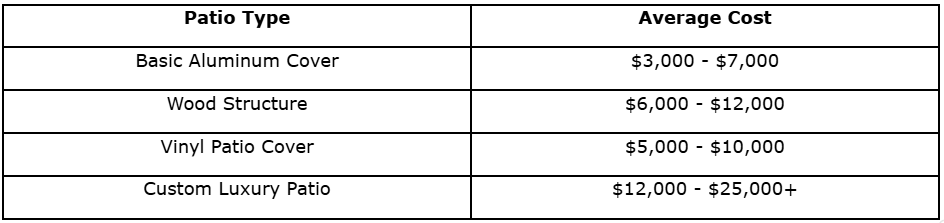
Costs depend on size, design, and material. Labor rates also vary by location.
Here is a simple range:
Additionally, extras raise the total price.
Common add-ons include:
- Ceiling fans
- Outdoor lighting
- Built-in kitchen
- Decorative beams
- Heaters
- Flooring upgrades
Because of these factors, always request a detailed estimate first.
Smart Layout Tips for Better Use
A patio should feel open and useful. Good layout planning helps every day.
Match Patio Size to Yard Space
Do not build too large or too small. A balanced size keeps the yard functional.
For example:
- Small yard: 10×12 feet
- Medium yard: 12×16 feet
- Large yard: 16×20 feet or more
Create Zones
Divide the patio into activity areas.
You can use:
- Dining zone
- Lounge zone
- Grill station
- Kids play corner
As a result, the patio feels organized and welcoming.
Keep Traffic Flow Clear
Leave enough walking room. Guests should move easily around furniture.
Aim for at least three feet of clear path space.
Face the Best View
Place seating toward gardens, pools, or open lawns. This creates a relaxing mood.
Add Lighting
Use layered lighting for evenings.
Best options include:
- String lights
- Recessed lights
- Wall sconces
- Path lights
Roofing Style Options
Your patio roof should match the home design.
- Flat Roof: Simple and modern. Works well on contemporary homes.
- Gable Roof: Creates height and airflow. Great for larger patios.
- Pergola With Cover Panels: Offers partial openness with weather protection.
- Insulated Roof Panels: Helps block heat. Ideal for warm climates.
Midway through your planning process, trust Masterful Construction for expert guidance and custom patio solutions.
How to Save Money Without Sacrificing Quality
Many homeowners want value. Thankfully, smart choices help lower costs.
- Use standard sizes
- Choose durable mid-range materials
- Build during slower seasons
- Limit luxury extras at first
- Add upgrades later
Also, compare multiple quotes before deciding.
Common Mistakes to Avoid
Avoiding mistakes saves money and stress.
- Ignoring Sun Direction: Check where the sunlight hits daily. Shade matters most in afternoon hours.
- Choosing Cheap Materials: Low prices may cost more later through repairs.
- Overcrowding Furniture: Too much furniture reduces comfort and movement.
- Forgetting Permits: Many cities require permits. Always check local rules first.
- No Drainage Plan: The patio needs to be well-drained.
A covered patio offers comfort, beauty, and increased space. It shields from the elements and enhances backyard enjoyment. And careful placement gives it an illusion of size.
Select materials based on style, budget, and low maintenance. Then plan zones, lighting, and movement carefully.
When you want quality craftsmanship and smart design, Masterful Construction can help bring your dream patio to life.